
String Theories
The Making Of Chuck Mead's 'Back At The Quonset Hut'; The Legacy of Telluride Bluegrass
String Theory Media’s 2011 Film About Chuck Mead’s ‘Back At The Quonset Hut’ Is Now On YouTube
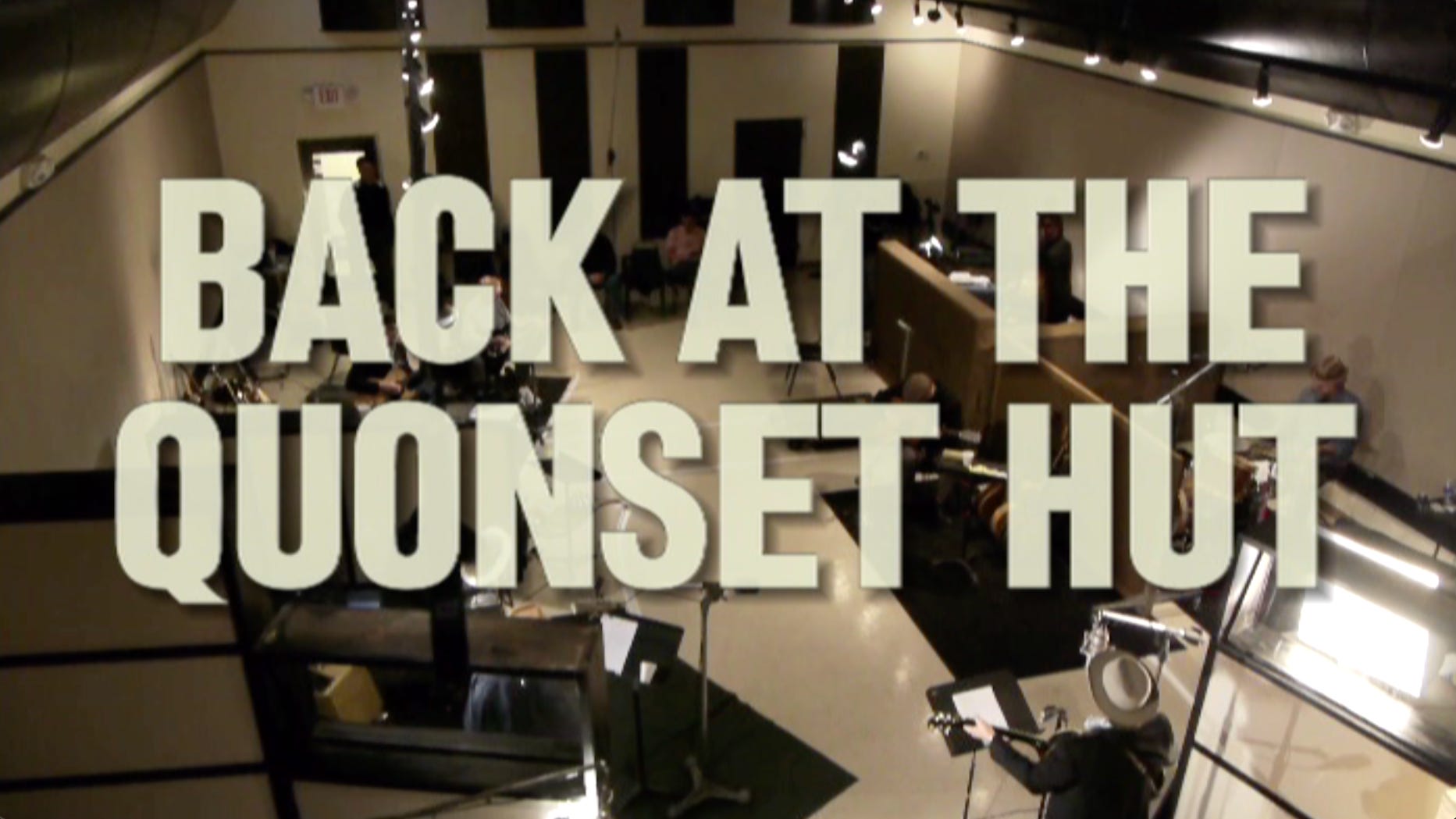
It’s no surprise a journalist would say this, but I particularly value albums with a story. Better yet, three or four stories intertwined. Concept and place-based recordings elevate the art and the marketing prospects in a time when it’s hard to cut through the noise. Back in the 2010s, I ran a little documentary production company called String Theory Media, which specialized in capturing such events to help artists and labels produce bonus material for records.
One project I’m super proud of from that chapter of my career is a documentary covering Chuck Mead’s 2011 album Back At The Quonset Hut. Until now though, the 30-minute film I made about this important album has only been available as a DVD insert for those who purchased the physical album. But now, an amazing 15 years later, Chuck has posted it on his YouTube channel. I’m extremely excited to have this out there. I feel like it holds up well. I’ve embedded it here, but I hope you’ll zip over to Chuck’s channel and give it a thumbs up. When you have a half hour, please watch.
With good sound!
To recap the layers of this particular story would be a bit redundant, because it’s all there in the film. But our drama includes: 1. Chuck’s own remarkable life in music and his inspiration for this album, 2. The revival of Owen and Harold Bradley’s Quonset Hut, one Nashville’s most important and historic recording studios, 3. the contributions of Music Row’s elder A-Team musicians (3 of 4 have now passed away) working with Chuck and his band, and 4. Hand-picked guest artists who livened up the recording sessions and the final product.
Chuck is one of the MVPs of Nashville’s modern Americana revolution. His legendary band BR549 anchored the revival of Lower Broadway’s honky tonk scene in the late 1990s, a residency that set in motion most of what’s made Nashville such a magnet of cool in the past decade. Chuck’s post-BR career has been distinguished as an artist and producer. Like a next generation Marty Stuart, he has embodied and represented Music City’s vital and beautiful hillbilly music tradition so that it can live on. This film captures him thinking through what would best serve the music and its history, and it’s just brilliant seeing his mind at work and his good humor throughout.
Also during the process, Chuck didn’t center himself. He centered the place and the people who made it a landmark in country music. The Quonset Hut (and the house it attached to) was the first recording studio on what would become Music Row. Great albums and classic singles came out of there by Johnny Cash, Merle Haggard, Tammy Wynette, George Jones, Bob Dylan and many more. In the late 1950s and 60s it was a factory that rolled greatness out the door on the daily like Buicks in Detroit. Then, through events that we summarize, it spent years out of commission. But having been surrounded by the modern building that housed Sony/Columbia Records on the Row, it was never torn down.
In 2010, Chuck was nurturing the idea of a classic country covers album when his old friend Mike Janus alerted him that this indescribably important landmark was - after years of dormancy - back in the recording business. Belmont University’s Curb College of Entertainment & Music (which acquired the building) had made the inspired decision to rehab the studio - with its distinctive arched roof - as a signature working and teaching space in the college. These were not the very first recording sessions to take place in the revived Q-Hut, but BATQH does seem to have been the first fully realized album cut there. And lord it was fun, with Chuck’s crack band, including multi-instrumentalist Chris Scruggs, the great A-Teamers (whom we interviewed) and a who’s-who of guest artists.
After re-watching the film, I pulled my copy of Back At The Quonset Hut off the shelf and spun it again this weekend. I’ve invested a good bit into my audio system since my last pass, so it sounded great. Now I can really hear that room and Mike deploying those vintage microphones like a master. Old Crow Medicine Show playing in a circle like a folk jam. The steel guitar of Carco Clave complementing the fiddle of Buddy Spicher. The piano touch of Pig Robbins. Harold Bradley’s unique-in-the-world timbre on what they called the tic tac bass back in the day. And the voices! A well seasoned Bobby Bare and a fully on-fire Elizabeth Cook for example. Chuck’s duets are in the spirit of classic country partnership style singing. He curated a batch of varied songs and styles that got the best out of the musicians. His longtime rhythm section of Marty Lynds (drums) and Mark Miller (bass) anchor it all. It’s a hot recording session and a mutual respect society.
I hope the film inspires the country music world to listen with fresh ears to Chuck’s album and give it its proper place in history. In its mingling of intergenerational musical dialogue, classic repertoire, and reverence of place, it’s quite an analog to the Nitty Gritty Dirt Band’s 1972 masterpiece Will The Circle Be Unbroken. It’s a contemporary vision that’s also bursting with memory and story.
I felt and fumbled my way into filmmaking and tried to use my best judgement about filming, production, editing, graphics etc. And I did it all, working lean and mean with folks who had amazing ideas and dreams but modest budgets. Chuck did wonders getting Ramseur Records to support this project. Belmont students contributed a lot to the audio and video capture. My awesome associate Anne Cates was invaluable. So credit to all involved. But I do feel like this was a rare case where I was allowed to stretch as a storyteller and steer the look of the film with my limited experience. I’m just ultra-grateful that Chuck trusted me to manage this thing and take our footage back to String Theory HQ (then on Music Row itself) and make something that we all liked and believed in. Nashville is about nothing if not collaboration, and this will always be one of my most cherished.
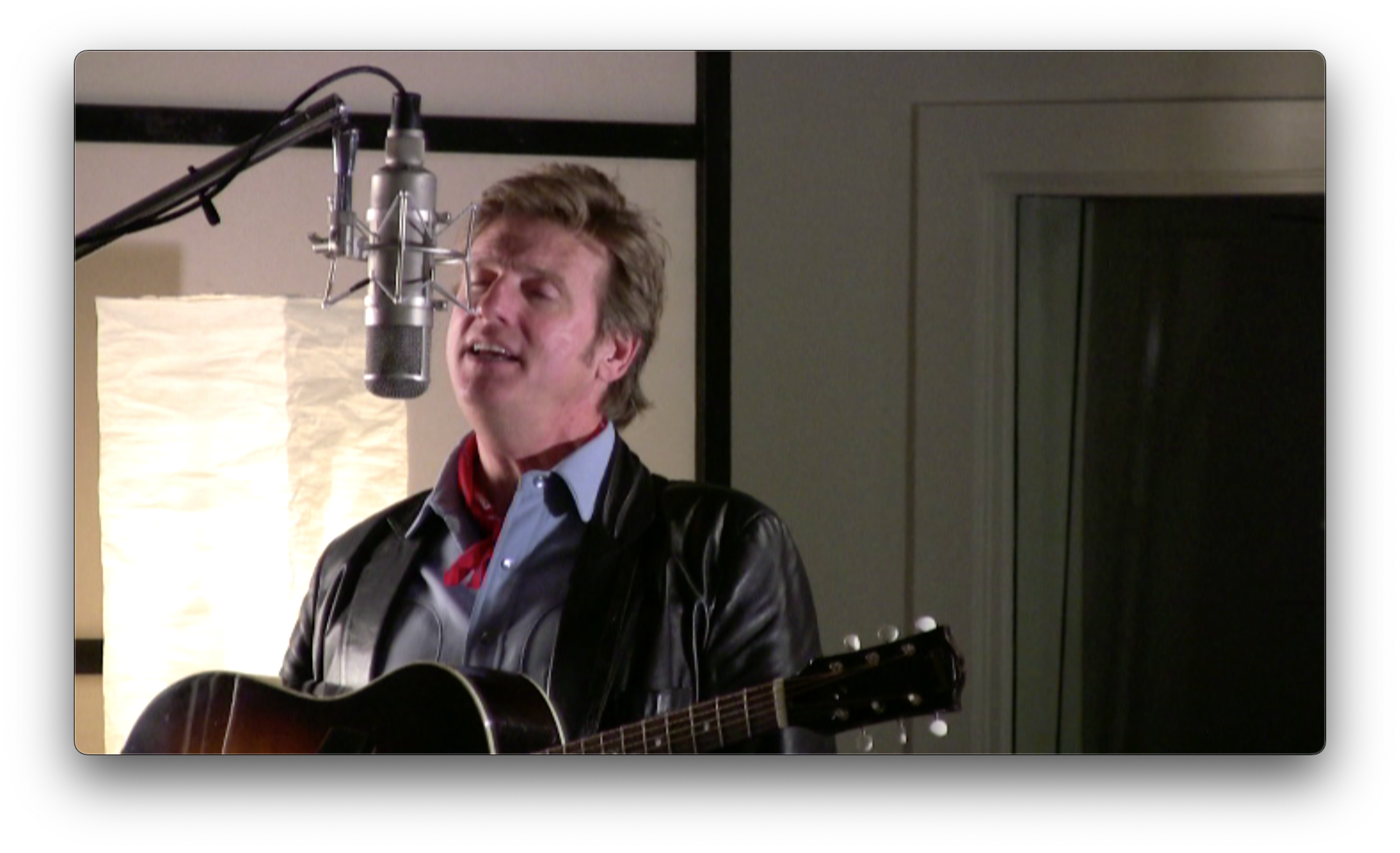
How Telluride Bluegrass Festival Helped A Genre Find Its True Self
Here’s the top of a long read published last week at WMOT.org.
Click through to the article with great photography courtesy of Planet Bluegrass.

Memories are often cemented by striking contrasts, and on Summer Solstice Saturday afternoon in Telluride, CO, I felt whipsawed in the most memorable and beautiful way.
Star musicians Jason Carter and Michael Cleveland twin-fiddled their way through a set of old-vine bluegrass as exciting and incendiary as anything you could hear on today’s circuit, an homage to the string sound that Bobby Hicks and Kenny Baker used to make with Bill Monroe. With an ace band, Carter and Cleveland demonstrated why the 2025 album by these old friends was nominated for a Grammy Award and was named Album Of The Year by the IBMA.
Up next, Punch Brothers used the same instruments to make magic of a post-modern kind - refined, dynamic, even a bit avant-garde - like chamber music from or for another world. This is more than my own metaphor; the band’s mandolinist and leader Chris Thile created a whole theater-of-the-mind comic drama about the band being transported to another star system where they shared their music with aliens. It was weird but funny (aided by the deadpan timing of banjo player Noam Pikleny) and it made a friendly frame for some of the most exotic and daring string band music ever conceived.
In these four hours, gently warmed by Rocky Mountain sunshine, 12,000 “Festivarians” lived the journey from the heart of traditional bluegrass to the newest of newgrass, as only Telluride can deliver it, almost as if Telluride had designed it.
Back in 1974, the locals of this quaint and hard-to-reach town could have called their new event the Telluride Music Festival or Telluride Folk Fest or anything, but by naming it the Telluride Bluegrass Festival, they did the genre a great service. In its home turf back East, bluegrass was evolving gradually, in tune with a more conservative audience, adding a jazz chord here, a Bob Dylan cover there, maybe some (gasp) drums. Out West, the brakes were off, and audiences turned up in Telluride every year eager to be surprised by the music and to dance to its mountain grooves like inflatable car-lot tube men.
In their first gesture reaching beyond a modest local talent showcase, the Telluridians discovered a quirky band from Kentucky called New Grass Revival and invited them to headline their second event in 1975. Sam Bush, Curtis Burch, John Cowan and Courtney Johnson drove day and night to make the date and found what they’ve said was the first audience that truly understood what they were all about. Bush has played every Telluride since in a variety of roles, including a big Saturday night headlining set. He became the King of Telluride, and Newgrass became its own subgenre.
CONTINUE TO THE FULL STORY HERE…
Just finished watching "Back At The Quonset Hut". So much history to be honored inside that magical space. Thank you and Chuck Mead for your contributions!